
Garfield County Probate Court Role
Probate venue in Garfield County is the Colorado District Court. The State Court Structure Map identifies probate matters as District Court work, not a stand-alone Surrogate's Court, Orphans' Court, or county recording office function. That matters because a will, petition, letters, claim, or closing document is requested through Colorado Judicial Branch court channels. The Garfield County Clerk and Recorder may hold recorded documents and marriage records, but it is not the court clerk for probate case files.
Probate records can involve several case types. Estate files may show a decedent, a personal representative, a will, claims, notices, inventories, accountings, and closing papers. Guardianship and conservatorship files may involve a minor or protected person. Trust disputes may be filed as court cases when a judge must decide a question. Some Garfield County probate records are public in part, while sensitive medical, financial, minor, and protected-person information may be redacted or restricted.
The Colorado Judicial Branch maintains the Open an Estate self-help page for estate filing basics. That source is useful for Garfield County probate work because it explains when an estate may be opened and points filers to statewide probate forms.
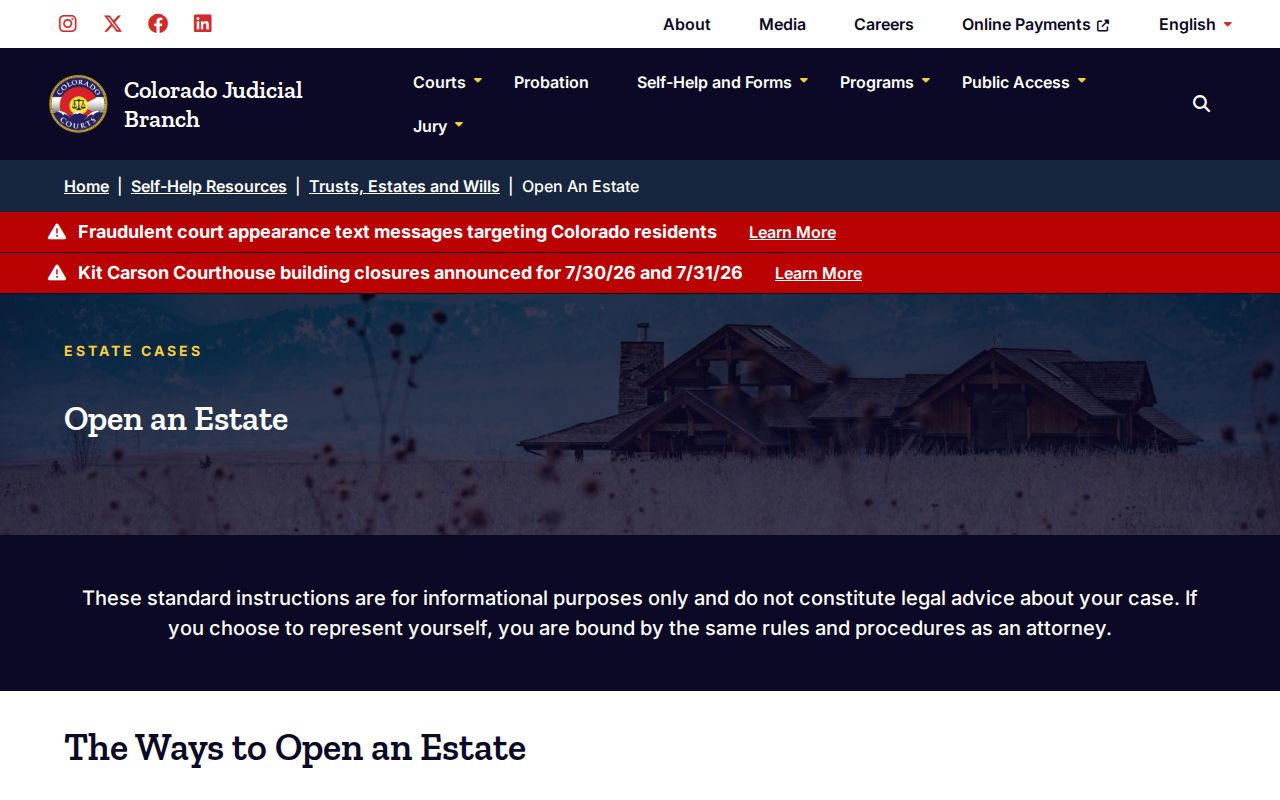
For Garfield County probate records, the estate self-help material supports the filing side, while the record request form supports the copy side after a case exists.
Garfield County Probate Terms
Probate files use short legal labels. A reader does not need to know each term before searching, but the terms help match a requested document to the right checkbox on the Colorado record request form. In Garfield County probate matters, these words often appear in estate, guardianship, conservatorship, and trust records.
- Testator
- The person who made a will.
- Executor
- A person named to carry out a will. Colorado forms may also use personal representative.
- Intestate
- Dying without a will, which can require court-supervised estate steps.
- Guardianship
- A case about personal care or decision-making for a minor or protected person.
- Conservatorship
- A case about managing property or money for a protected person.
These terms should be paired with names and dates when requesting a Garfield County probate record. Party information is required on the state form, and the year filed helps the clerk locate older estate files.
Search Garfield County Probate Records
There are three practical access channels for Garfield County probate records. Hearing information may appear through the Colorado Judicial Branch docket search. Copies of probate documents are requested through the Colorado Judicial record and document request form. If a file is older, restricted, or hard to identify, the Garfield County Courthouse can help confirm the right court location or request path.
- Check whether the matter belongs in Garfield County District Court. Probate in Garfield County includes estate, guardianship, conservatorship, and trust cases.
- For a hearing date, use the state docket search and select the 9th Judicial District with Garfield County filters.
- For copies, use the Colorado Judicial record/document request form, select Garfield County, and choose Probate as the case type.
- List the decedent, personal representative, protected person, guardian, or conservator names in the party field.
- Choose the documents needed, such as letters, will, trust, application, petition, closing, claims, or date of death.
Colorado's form also allows a request for certified or exemplified copies. Certified probate copies are often needed when a personal representative must prove authority to banks, title companies, or other record holders. A search by name alone may carry a search fee, so a case number or filing year can reduce delay.
| Field | Type | Required | Notes |
|---|---|---|---|
| Case Type | Dropdown | Yes for routing | Select Probate. |
| County/location | Dropdown | Yes for routing | Select Garfield County. |
| Year filed | Dropdown | Optional | Helpful for older estates. |
| Party information | Text | Yes | Use decedent, personal representative, protected person, guardian, or conservator names. |
| Probate documents | Checkboxes | Request dependent | Letters, Will, Trust, Application, Petition, Closing, Claims, Date of Death. |
| Certified/exemplified | Checkbox | Optional | Adds certification fee when selected. |
Note: Probate files involving minors, protected persons, medical facts, or protected financial data may require identification or court review before release.
Garfield County Probate Court Contacts
Garfield County probate matters are handled through the state court locations used for District Court and County Court work. The main courthouse is in Glenwood Springs, and the Judicial Branch also lists an associate court location in Rifle. Requestors should use the Garfield County court page and the state record request form for court case files, not the Garfield County Clerk and Recorder recorded-document search.
Garfield County Courthouse
109 8th St., Suite 104
Glenwood Springs, CO 81601
970-928-3065
Monday-Friday, 8:00 a.m.-4:50 p.m.
GCGWSCourt@judicial.state.co.us
Garfield County Associate Court - Rifle
200 E. 18th St., Suite 103
Rifle, CO 81650
Use the Garfield County court page or main court phone to confirm routing.
Federal bankruptcy and federal probate-adjacent disputes are separate from Garfield County probate records. The U.S. Bankruptcy Court for the District of Colorado handles bankruptcy cases, and those records do not come from Garfield County District Court.
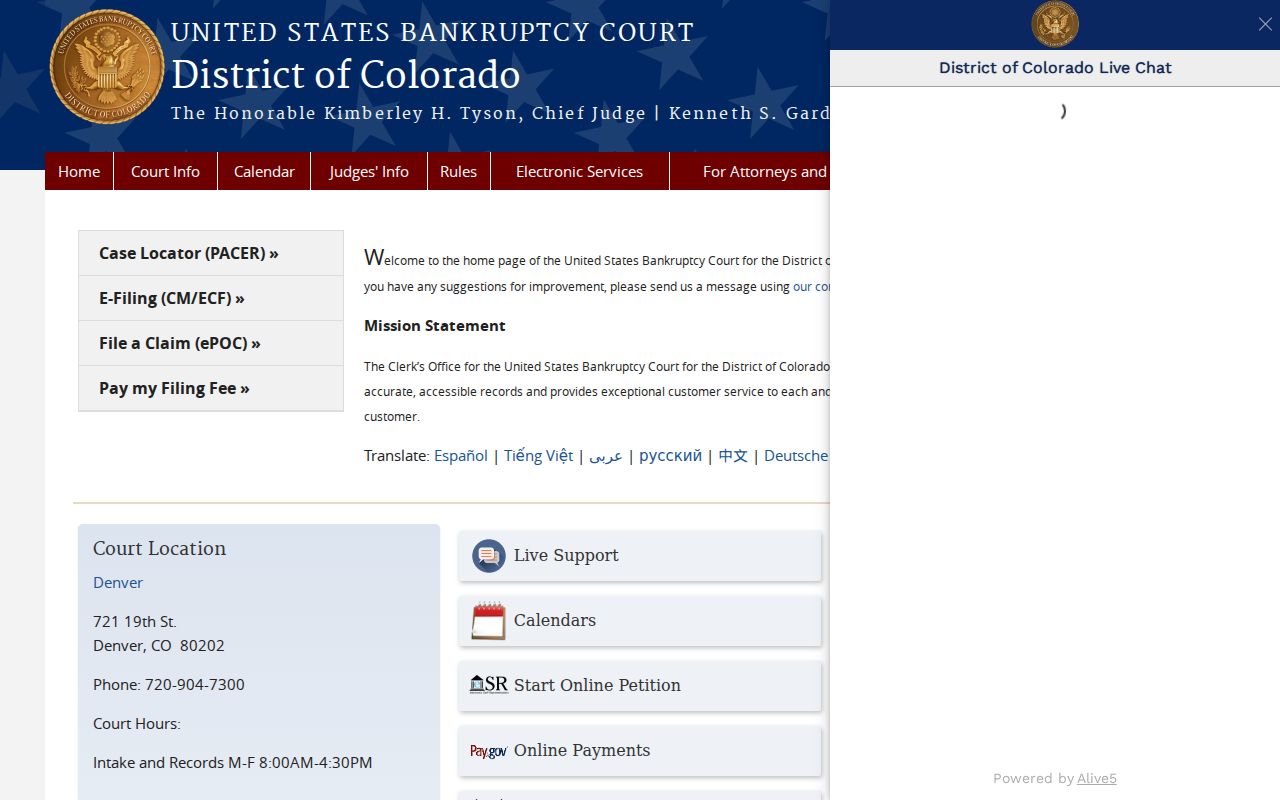
Bankruptcy records may affect estates, debts, or property, but they are federal court records and use federal access tools instead of Garfield County probate request channels.
Garfield County Probate Fees
Probate copy fees in Garfield County follow the Colorado Judicial record form and court fee guidance captured in the research file. The exact Garfield-specific probate filing amount was not captured, so filing fees should be checked on the Colorado Judicial fee page before an estate, guardianship, or conservatorship petition is filed. Copy and certification fees are clearer because they appear on the state record request materials.
| Item | Amount or rule |
|---|---|
| Court copy | $0.25 per page, with a $15 copy maximum for parties and their attorneys. |
| Certified or exemplified copy | $20 per document. |
| Name search | $5. |
| Research or redaction | $30 per hour in 15-minute increments after the first hour. |
| Off-site retrieval | Actual cost. |
| Probate filing fees | Use the Colorado Judicial list of fees. The captured research did not include a Garfield-specific amount. |
Payment expectations can vary with the request route. For court records, the clerk or state form will control the total based on page count, certification, research time, and retrieval costs. For county administrative records, Garfield County CORA rules are different, so probate case copies should stay with the Judicial Branch route.
What Garfield County Probate Records Show
A Garfield County probate case file may include a will, trust, application, petition, court orders, letters, claims, notices, closing documents, and date of death information. In an estate case, letters can be one of the most important records because they show the authority of the personal representative. In a guardianship or conservatorship case, orders may define who can act for the protected person and what powers the court granted.
Older estate files may not be easy to locate with a quick name search. The request form allows the filing year, county, party data, date of birth, and other identifying facts. For Garfield County probate records, useful identifiers include the decedent's full name, date of death, known case number, personal representative name, and whether the request is for letters, will, trust, claims, or closing material.
Federal case locators can help only when the matter belongs in federal court. The PACER Case Locator searches federal dockets and is not a Garfield County probate index.
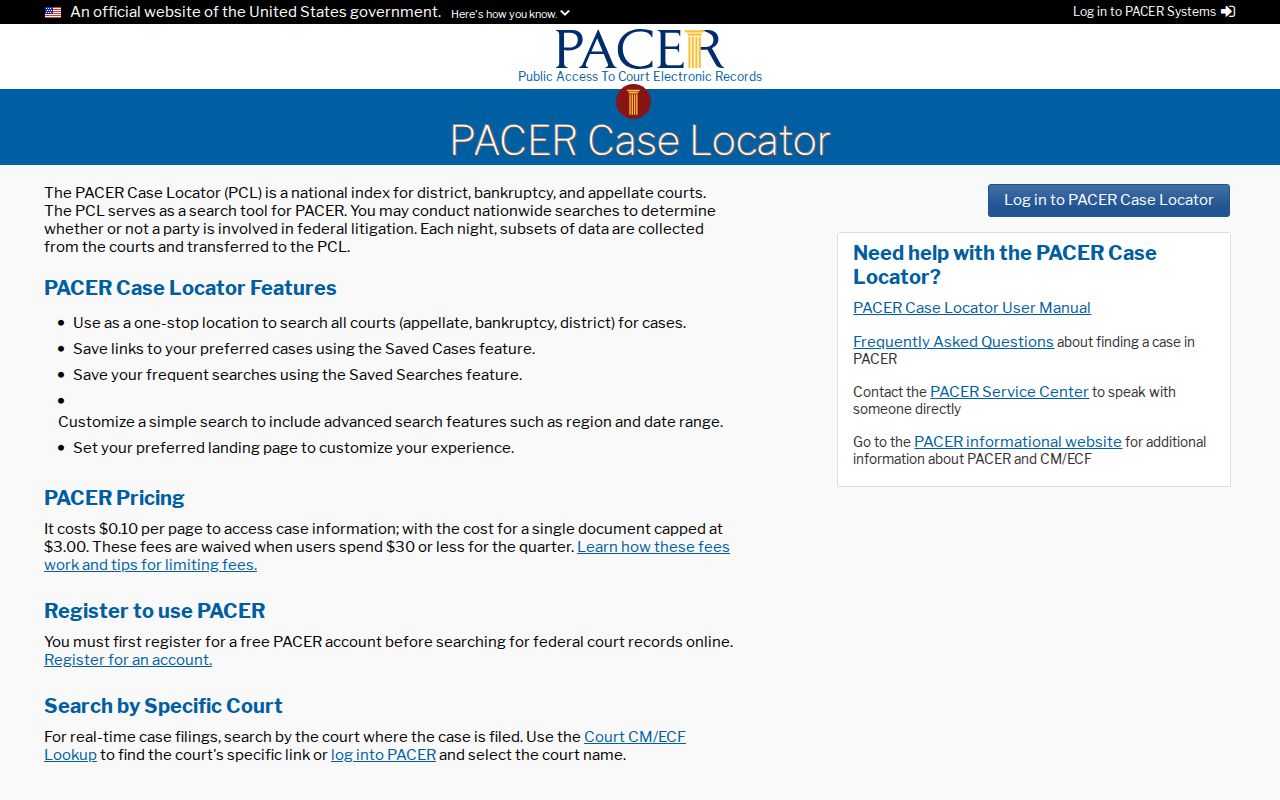
PACER is useful when a party or estate has a federal bankruptcy, civil, or appellate case, but Garfield County wills and letters stay with the Colorado court record process.
Restricted Garfield County Probate Records
Not every probate record is open in full. Colorado court access rules allow restrictions or redactions for protected information. Garfield County probate files may contain account numbers, medical facts, protected addresses, minor identifiers, or financial details. Guardianship and conservatorship matters can be more sensitive than a routine estate because they may involve a protected person, incapacity facts, care plans, or private assets.
The state record request form warns that suppressed cases, juvenile and probate records, and documents with confidential or protected information may require U.S. government-issued photo ID. A certified copy request does not override a seal, statute, rule, court order, or Chief Justice directive. If a probate record is restricted, the clerk may release only public portions or may require a court order.
Some searches point away from probate because the person is in custody or in a correctional system. The Colorado state portal for the Colorado inmate locator is separate from Garfield County probate records.
Custody tools may help identify whether a person is in state prison, but they do not provide estate filings, letters, wills, or guardianship orders from Garfield County District Court.
Garfield County Probate and Federal Records
Most Garfield County probate records are state District Court records. Federal records become relevant only when a separate federal case exists, such as bankruptcy, federal civil litigation, an appeal in the Tenth Circuit, or federal custody. The U.S. District Court for Colorado, U.S. Bankruptcy Court, PACER, and the PACER Case Locator are federal channels. They do not replace a Garfield County probate records search through Colorado Judicial Branch tools.
When a person tied to an estate is in federal custody, the Federal Bureau of Prisons inmate locator is a custody lookup, not a probate file system.
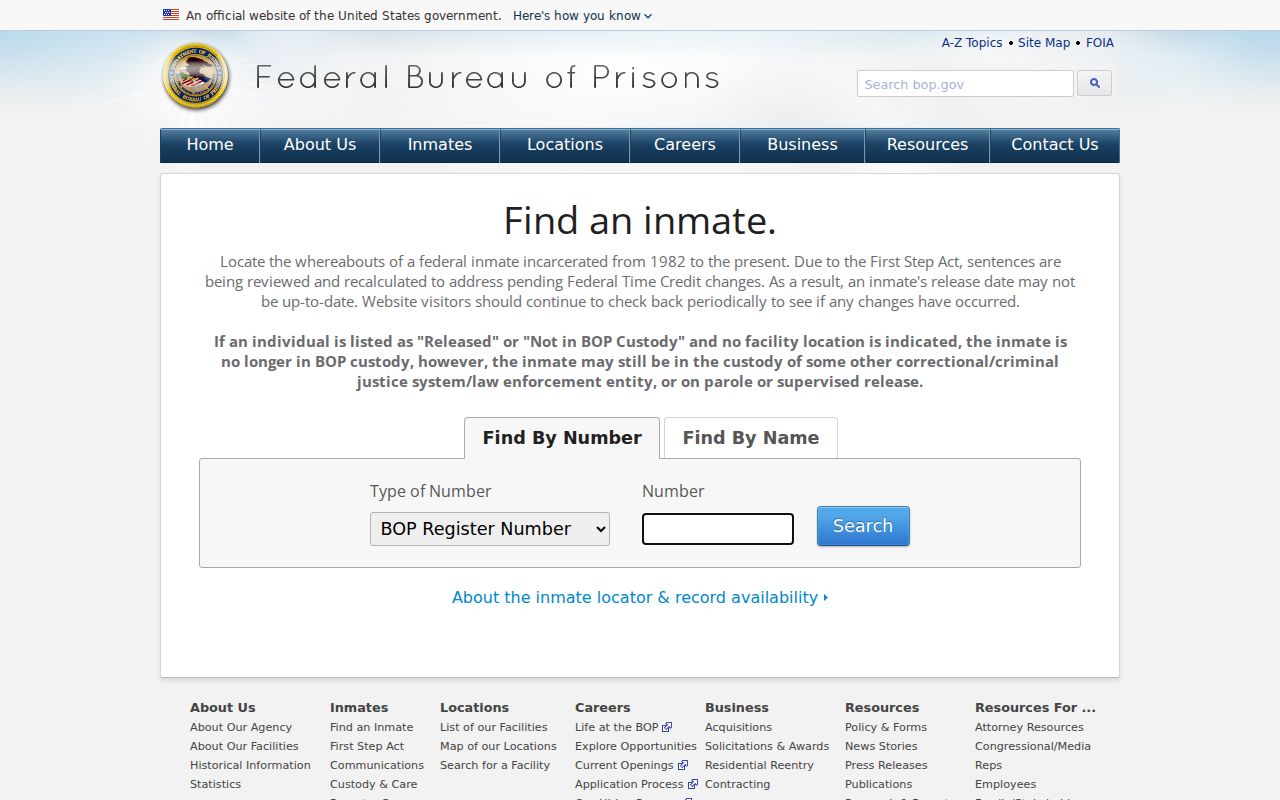
The federal inmate locator may answer custody questions, while probate authority, estate filings, and local court orders remain with the appropriate Colorado District Court case.